
Certain insects, plants, snails, slugs and micro-organisms can harm plants when they spread to new areas of the country. They can cause serious damage to Canada's economy and the environment when they invade farmland, forests, parks and other natural areas. It's up to all of us to prevent the spread of invasive species.
What to look for in your area
Familiarize yourself with the pests and plants of top concern in your area. Some may be regulated or have established populations, and others may not have been detected yet in your region – or even in Canada.
This interactive tool requires JavaScript to be enabled - please enable JavaScript and reload the page.
What province or territory do you live in?
- Alberta
- British Columbia
- Manitoba
- New Brunswick
- Newfoundland and Labrador
- Northwest Territories
- Nova Scotia
- Nunavut
- Ontario
- Prince Edward Island
- Quebec
- Saskatchewan
- Yukon
Alberta

Dutch elm disease
Neighbouring trees, bark beetles and contaminated pruning equipment can spread this disease. Don't prune between April and October.

Emerald ash borer
Know the signs of this invasive beetle, like S-shaped lines in the tree's bark, and report it. Don't move firewood to help stop the spread.

Spongy moth
This pest lays eggs on transport equipment, outdoor furniture, and vehicles. Inspect your gear before moving or storing it to stop the spread.
British Columbia
Dutch elm disease
Neighbouring trees, bark beetles and contaminated pruning equipment can spread this disease. Don't prune between April and October.
Emerald ash borer
Know the signs of this invasive beetle, like S-shaped lines in the tree's bark, and report it. Don't move firewood to help stop the spread.

Flighted Spongy Moth Complex
This pest lays eggs on transport equipment, outdoor furniture, and vehicles. Inspect your gear before moving or storing it to stop the spread.

Japanese beetle
This pest can move when you do and hitchhike on plant material, in roots or soil, or even on cars and trains.

Jointed goatgrass
The seeds of this invasive plant spread when they attach to clothing, shoes, animal fur, car tires and large machinery and equipment along roadways.
Spongy moth
This pest lays eggs on transport equipment, outdoor furniture, and vehicles. Inspect your gear before moving or storing it to stop the spread.

Spotted lanternfly
This invasive pest can feed on over one hundred species of trees and plants. Spot it? Snap a photo, catch it, and report it.
Manitoba
Emerald ash borer
Know the signs of this invasive beetle, like S-shaped lines in the tree's bark, and report it. Don't move firewood to help stop the spread.
New Brunswick

Box tree moth
From May to September, inspect your boxwood shrubs for signs of infestation and report it.

Brown spruce longhorn beetle
Don't move firewood when in a regulated area to prevent the spread of this invasive pest.
Emerald ash borer
Know the signs of this invasive beetle, like S-shaped lines in the tree's bark, and report it. Don't move firewood to help stop the spread.
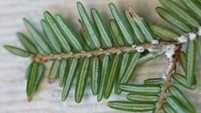
Hemlock woolly adelgid
This insect's egg sacs are found on hemlock trees and look like clumps of snow. It can spread by human movement of wood products and materials.
Japanese beetle
This pest can move when you do and hitchhike on plant material, in roots or soil, or even on cars and trains.
Spotted lanternfly
This invasive pest can feed on over one hundred species of trees and plants. Spot it? Snap a photo, catch it, and report it.
Newfoundland and Labrador

Blueberry maggot
Look for infested fields with lots of berries on the ground, or holes on the fruit's skin. Learn the signs of this pest and report it.
Box tree moth
From May to September, inspect your boxwood shrubs for signs of infestation and report it.
Japanese beetle
This pest can move when you do and hitchhike on plant material, in roots or soil, or even on cars and trains.
Spotted lanternfly
This invasive pest can feed on over one hundred species of trees and plants. Spot it? Snap a photo, catch it, and report it.
Northwest Territories
No invasive species are currently subject to regulatory requirements in your location. Review the pests in other areas to learn the signs and report them.
Nova Scotia
Box tree moth
From May to September, inspect your boxwood shrubs for signs of infestation and report it.
Brown spruce longhorn beetle
Don't move firewood when in a regulated area to prevent the spread of this invasive pest.
Emerald ash borer
Know the signs of this invasive beetle, like S-shaped lines in the tree's bark, and report it. Don't move firewood to help stop the spread.
Japanese beetle
This pest can move when you do and hitchhike on plant material, in roots or soil, or even on cars and trains.
Spotted lanternfly
This invasive pest can feed on over one hundred species of trees and plants. Spot it? Snap a photo, catch it, and report it.
Nunavut
No invasive species are currently subject to regulatory requirements in your location. Review the pests in other areas to learn the signs and report them.
Ontario

Asian longhorned beetle
Native to Asia, this pest can spread through transport of infested wood products including firewood.
Box tree moth
From May to September, inspect your boxwood shrubs for signs of infestation and report it.
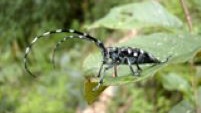
Citrus long-horned beetle
A wood-boring insect that feeds on and damages a wide variety of hardwood trees.
Emerald ash borer
Know the signs of this invasive beetle, like S-shaped lines in the tree's bark, and report it. Don't move firewood to help stop the spread.
Hemlock woolly adelgid
This insect's egg sacs are found on hemlock trees and look like clumps of snow. It can spread by human movement of wood products and materials.

Japanese stiltgrass
This invasive plant spreads when its seeds attach to clothing, animal fur, car tires and shoes. When visiting parks, brush off your gear.
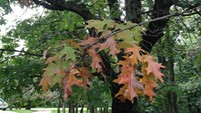
Oak wilt
From April to November, check your oaks for signs of this disease and avoid pruning them to stop the spread.

Plum pox virus
Aphids or propagation with contaminated equipment can spread this virus. It affects fruit trees such as peaches, plums, apricots, cherries, and almonds.
Spotted lanternfly
This invasive pest can feed on over one hundred species of trees and plants. Spot it? Snap a photo, catch it, and report it.
Prince Edward Island
Brown spruce longhorn beetle
Don't move firewood when in a regulated area to prevent the spread of this invasive pest.
Japanese beetle
This pest can move when you do and hitchhike on plant material, in roots or soil, or even on cars and trains.

Potato wart
A soil-borne fungus that attacks potato plants and causes abnormal growths. Learn the signs to stop the spread.
Spongy moth
This pest lays eggs on transport equipment, outdoor furniture, and vehicles. Inspect your gear before moving or storing it to stop the spread.
Spotted lanternfly
This invasive pest can feed on over one hundred species of trees and plants. Spot it? Snap a photo, catch it, and report it.
Quebec
Blueberry maggot
Look for infested fields with lots of berries on the ground, or holes on the fruit's skin. Learn the signs of this pest and report it.
Brown spruce longhorn beetle
Don't move firewood when in a regulated area to prevent the spread of this invasive pest.
Emerald ash borer
Know the signs of this invasive beetle, like S-shaped lines in the tree's bark, and report it. Don't move firewood to help stop the spread.
Oak wilt
From April to November, check your oaks for signs of this disease and avoid pruning them to stop the spread.
Spotted lanternfly
This invasive pest can feed on over one hundred species of trees and plants. Spot it? Snap a photo, catch it, and report it.
Saskatchewan
Dutch elm disease
Neighbouring trees, bark beetles and contaminated pruning equipment can spread this disease. Don't prune between April and October.
Emerald ash borer
Know the signs of this invasive beetle, like S-shaped lines in the tree's bark, and report it. Don't move firewood to help stop the spread.
Yukon
No invasive species are currently subject to regulatory requirements in your location. Review the pests in other areas to learn the signs and report them.
National highlights

Spotted lanternfly
It can feed on over 100 species of trees and plants. Spot it? Snap a photo, catch it, and report it.
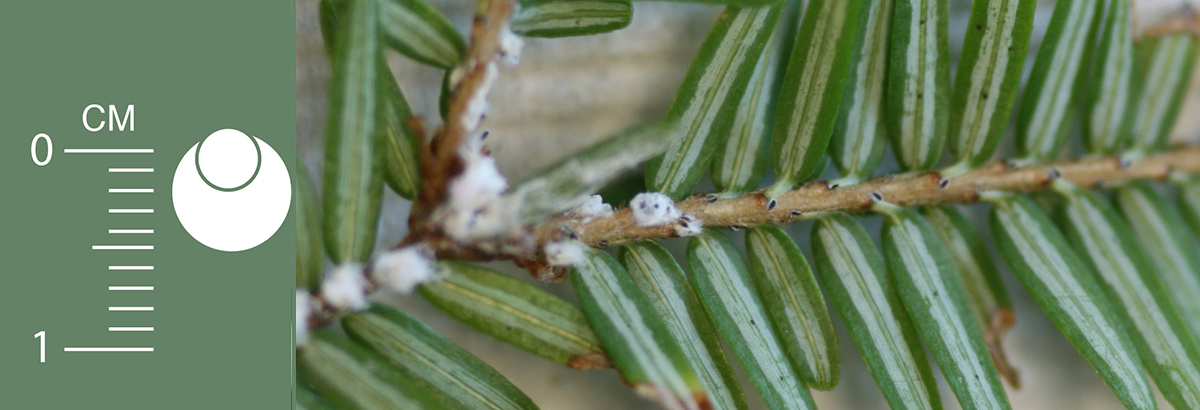
Hemlock woolly adelgid
Its egg sacs look like snow and are found at the base of the needles on hemlock trees.

Ditch the dirt, keep the memories
Soil can carry tiny pests you can't see – even if there are no visible signs.
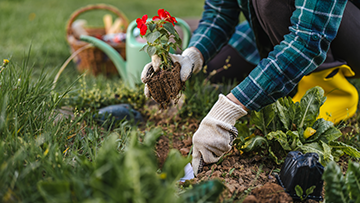
Around your home
- Check the gardens and trees around your property
- Clean your gardening tools and patio furniture
- Learn about the invasive species in your region

Research before buying plants or seeds online
Studies show that more than half of Canada's invasive plants were introduced for:
- crops
- gardens
- erosion control
- other uses.
Before you buy
- Check Canada's regulated pests list to confirm if a species can be imported and what rules apply
- Properly research seeds and avoid mixed seed packages
- Buy only from trusted sources—many seeds sold online (especially from abroad) may be invasive or not permitted in Canada
Availability online doesn't mean a plant is safe for Canadian ecosystems or allowed into the country.
Dispose of seeds you received (but didn't order)
If you receive seeds you did not order, learn more about how to properly dispose of them.
In the outdoors
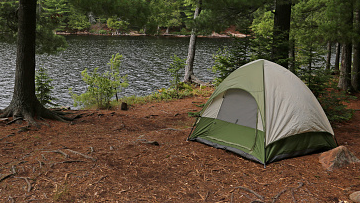
Clean and inspect your vehicles between destinations
Before you leave, check for insect larvae, eggs and adult insects like beetles and moths. Remember to clean your outdoor gear, vehicle and recreational vehicles (RVs) or camper vans or trailers.
Even your pets can carry pests with them, be sure to check them for debris such as mud and seeds.
Buy local firewood
Firewood can be infested with insect eggs or larvae. Moving it from your home to your cottage or campsite could unintentionally spread a pest like emerald ash borer to a previously pest-free area. Understand more about the hazards of moving firewood.
Arriving from outside Canada
Plan before you pack always declare plants, soil, wooden items and seeds at the border.
Get the kids involved
Get the kids involved with our fun and educational plant health activity books – it's a great way to teach them how they can help protect our environment.
Help spread awareness
Share print and video resources with your community to help raise awareness about invasive species in Canada. Join us in our mission to stop the spread and to protect Canada from invasive species!