
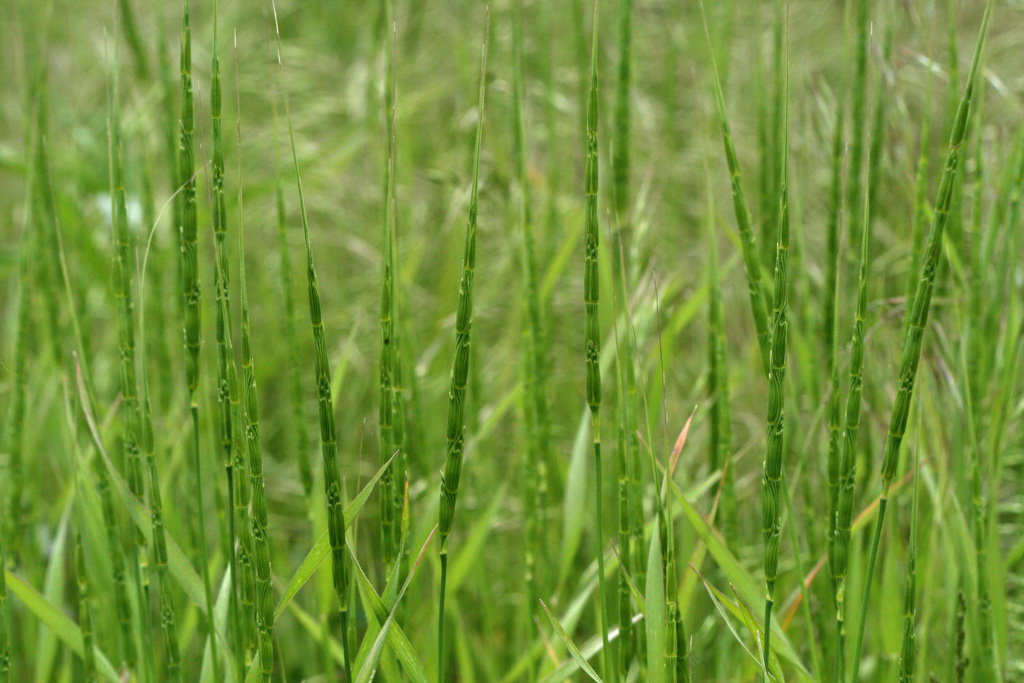
Jointed goatgrass (Aegilops cylindrica) is an agricultural weed of the grass family (Poaceae). It is a serious problem in winter wheat, where it impacts producers through a combination of reduced yields, costly seed cleaning and increased control costs. In winter wheat, jointed goatgrass is difficult to control with herbicides because the two species have similar life cycles, are genetically related and can hybridize.
Report a jointed goatgrass sighting
Where it's found
In Canada, jointed goatgrass has been found in a few locations in southern Ontario, Quebec and British Columbia to date. Detections have been eradicated or are currently under official control. Jointed goatgrass is native to western Asia and southeastern Europe. It was introduced into the United States in contaminated seed in the 1880s and has since become one of the most difficult weeds to control in the western states. Jointed goatgrass grows in cultivated fields, pastures and disturbed areas along fences, ditches and roadsides.
How to spot it
-

Plant -
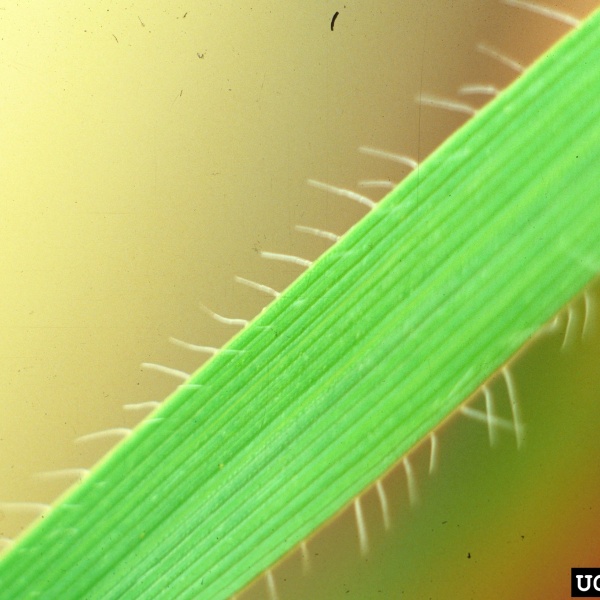
Leaf with hairs along margin -

Spikelets -

Wheat and jointed goatgrass spikes -

Seedlings -

Spikelets and seed
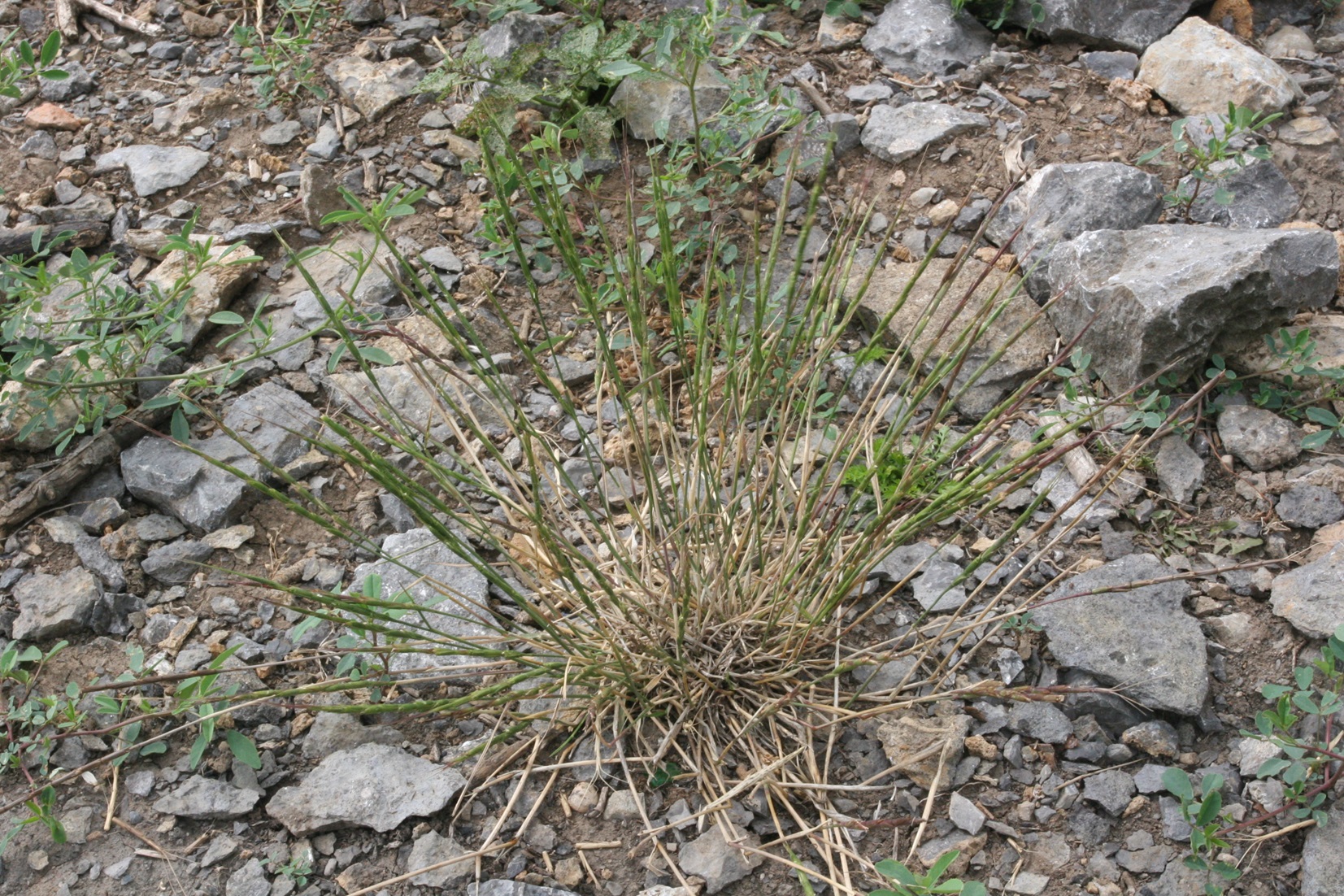

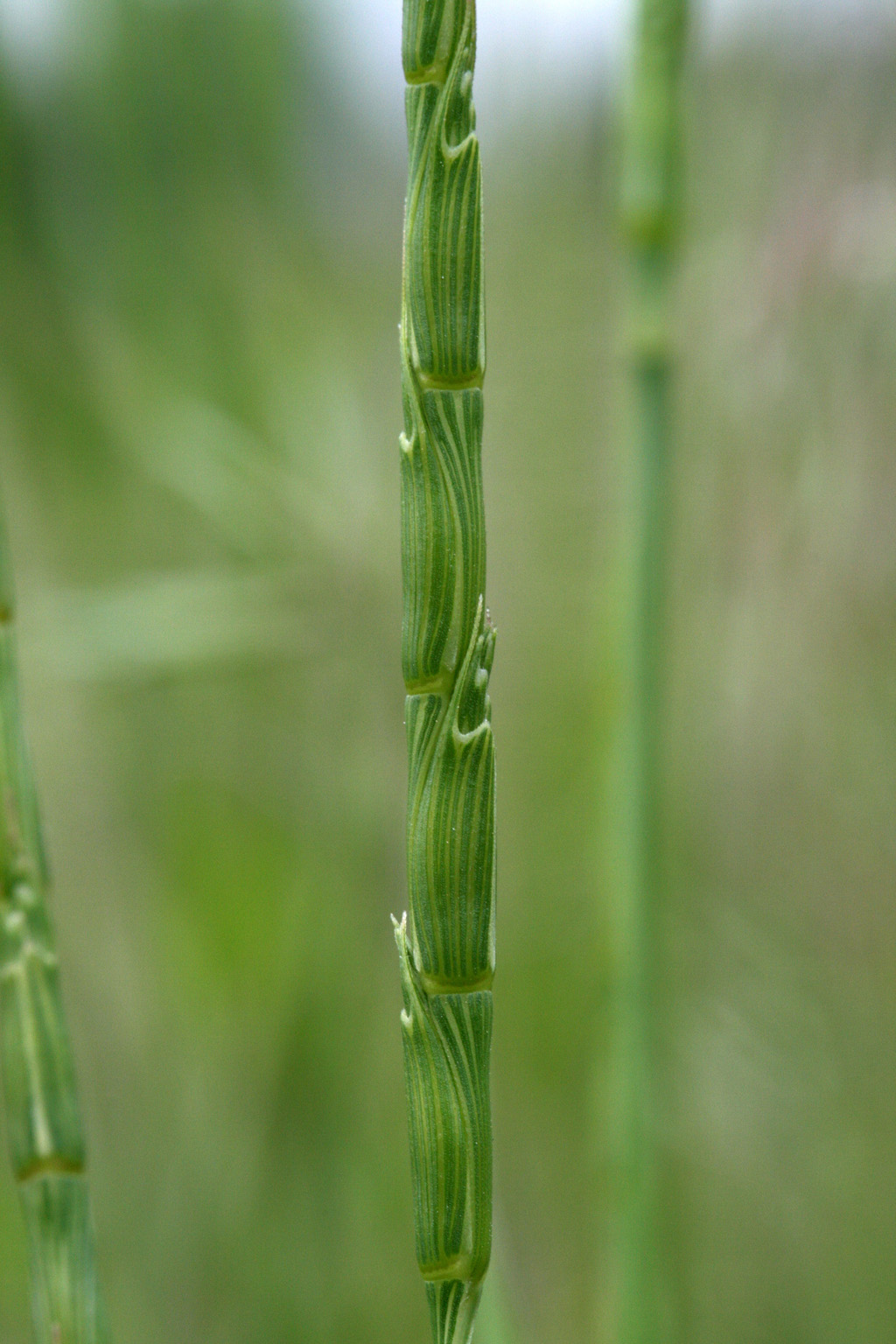
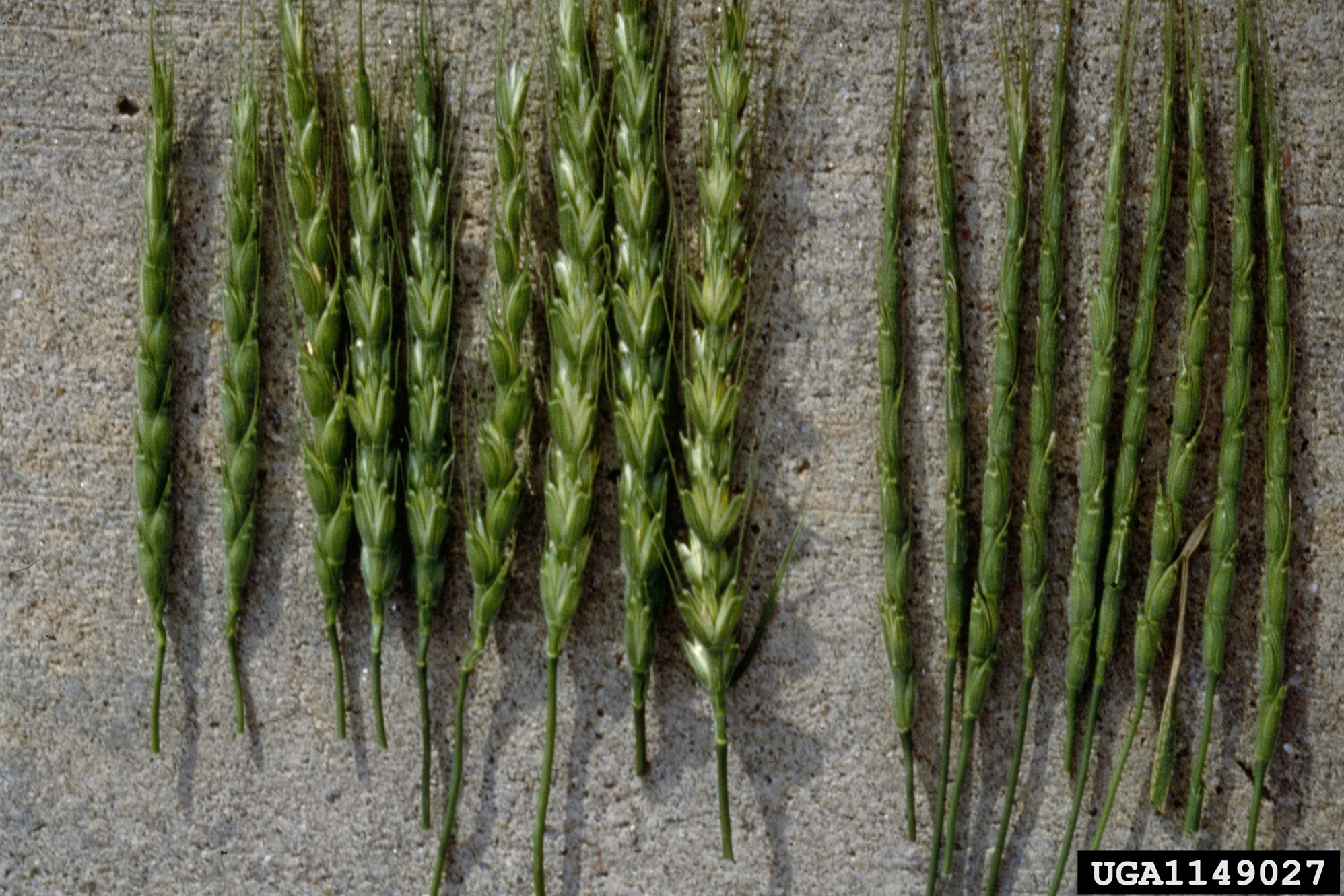
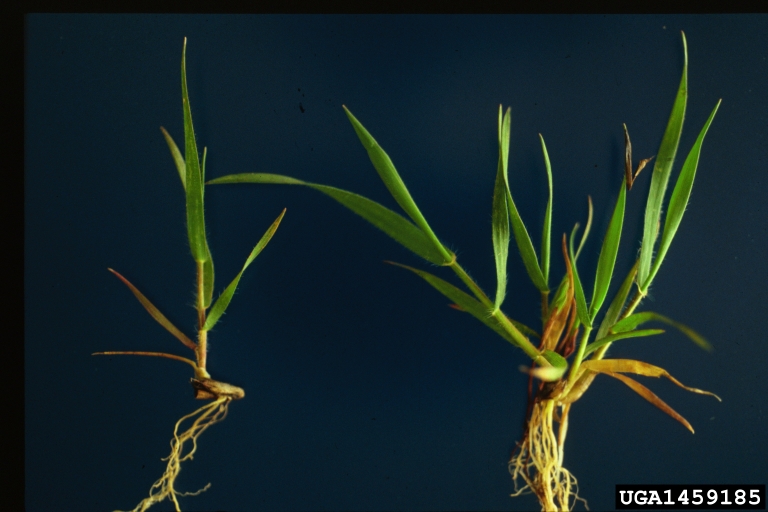

To the untrained eye, jointed goatgrass resembles common grasses that grow in Canada. It is a winter annual grass, 40-60 cm tall, resembling wheat. Unlike wheat, however, jointed goatgrass has narrow cylindrical spikes and evenly spaced hairs extending from its leaf blades. The spikes are composed of a series of spikelets, each containing an average of two seeds. Uppermost spikelets usually have longer awns (bristle-like appendages) than the lower spikelets.
How it spreads
Jointed goatgrass spreads primarily as a contaminant of wheat seed. Its seeds can also spread with farm vehicles and machinery, clothing and footwear, and as a result of grain spillage along transportation routes. The seeds can remain viable after passing through livestock.
What you can do
- Use clean, high-quality seed that is certified if possible
- Use clean grain, hay and straw
- Ensure machinery, vehicles and tools are free of soil and plant parts before moving them from one area to another
- Maintain healthy and diverse pastures
- Brush off clothing and clean footwear to avoid spreading seeds
- If you think you've spotted jointed goatgrass, report it to the Canadian Food Inspection Agency (CFIA). The CFIA will follow up and determine if further action is needed.
What we are doing
Jointed goatgrass is regulated as a pest in Canada under the Plant Protection Act. It is also listed as a prohibited noxious weed in the Weed Seeds Order, 2016 under the Seeds Act. Importation and domestic movement of regulated plants and their propagative parts is prohibited.