
Invasive pests and plants
Insects, snails, slugs, pathogens and invasive plants can severely damage Canada's economy and ecosystems when they spread into farmland, forests, parks and other natural areas. Protecting plant health in Canada is a shared responsibility.
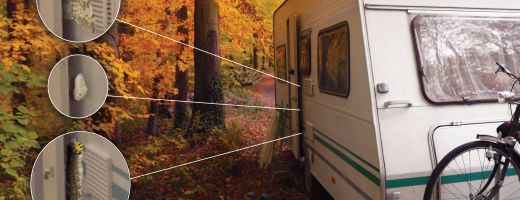
How to identify them
Invasive insects
Facts, photos, signs, symptoms and what to do if you think you've spotted it
Invasive plants
Facts, photos, signs, symptoms and what to do if you think you've spotted it
Plant diseases
Facts, photos, signs, symptoms and what to do if you think you've spotted it
Nematodes, snails and other
Facts, photos, signs, symptoms and what to do if you think you've spotted it
What you can do to stop the spread
Inspect your surroundings, shop online, camp and travel without spreading invasive species
Print and social media products
Social media graphics, print posters, brochures and more
Surveillance and regulations
Domestic plant protection measures
Ministerial orders and other measures to prevent and control pests within Canada
Importing and handling invertebrates and other organisms
Requirements to import invertebrates and micro-organisms that could cause harm
Don't move firewood
In some instances, moving firewood can be illegal. Help save our forests – buy local and burn local
Plant pest surveillance
Annual plant health surveys are conducted across Canada to detect and monitor invasive species
List of regulated pests in Canada
See the complete list of pests regulated in Canada, with related programs and policies
Features

Check your gardening equipment
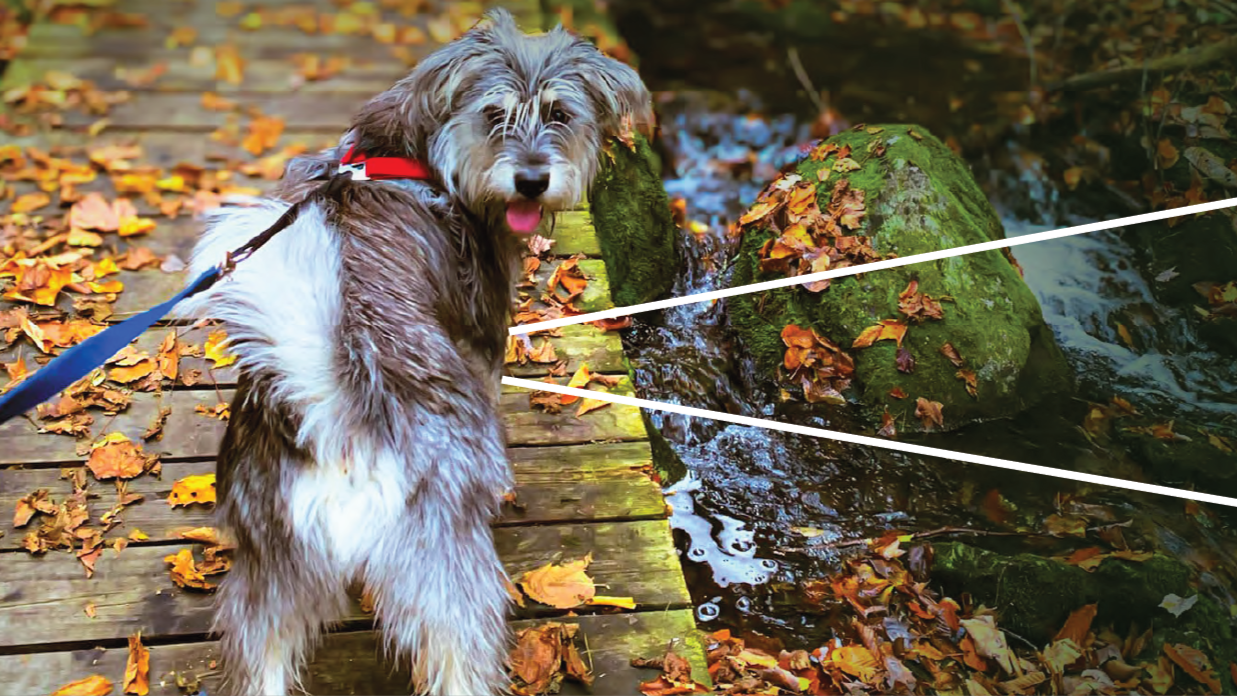
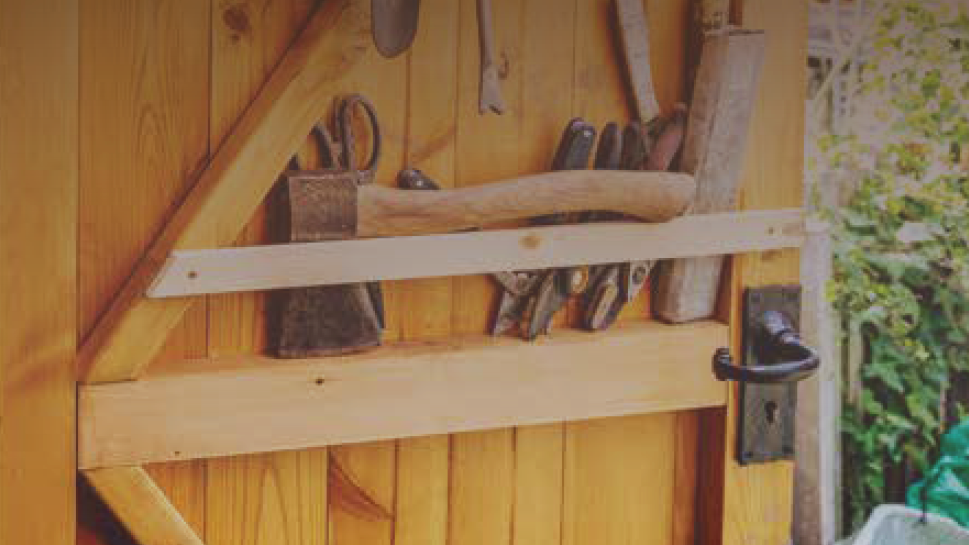
Check your equipment and gear before opening or closing your gardens every year.