
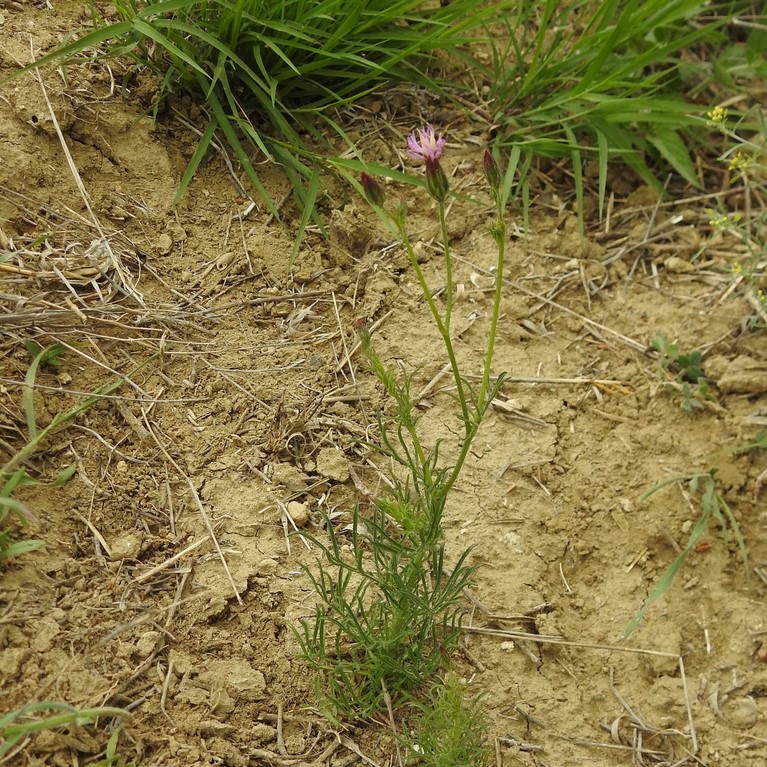
Common crupina (Crupina vulgaris) is an invasive plant of the aster family (Asteraceae). A strongly competitive species, it can form dense stands in rangelands, pastures, hayfields and other forages. It reduces forage productivity and livestock carrying capacity. Common crupina also reduces biodiversity and contributes to the degradation of native plant communities, such as grasslands and open forests. As a tap-rooted plant, it is less effective at binding soil than fibrous-rooted grasses and increases the risk of soil erosion.
Report a common crupina sighting
Where it's found
Common crupina has not been found in Canada. It is native to the Mediterranean region and western Asia and has been introduced into the northwestern United States. Typically found on soils with low available water capacity, common crupina is highly adaptable and grows in open woodlands, grasslands, rangelands, pastures, hayfields, roadsides, railroads and waste areas. It is rarely found in cultivated crops and does not tolerate disturbance well.
How to spot it
-
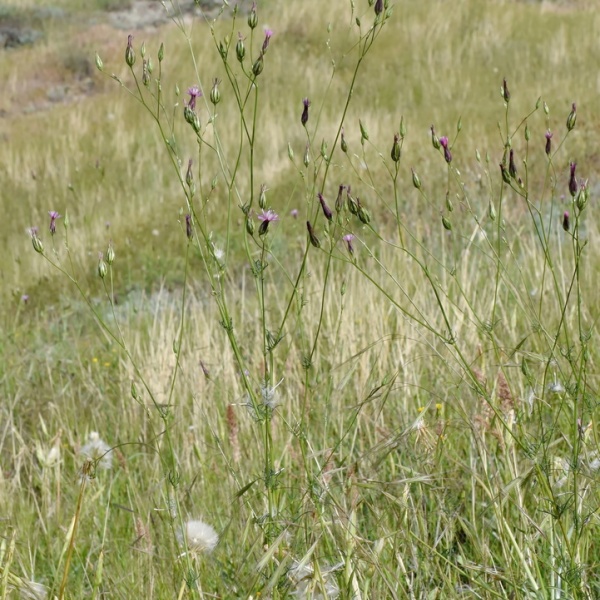
Plants -
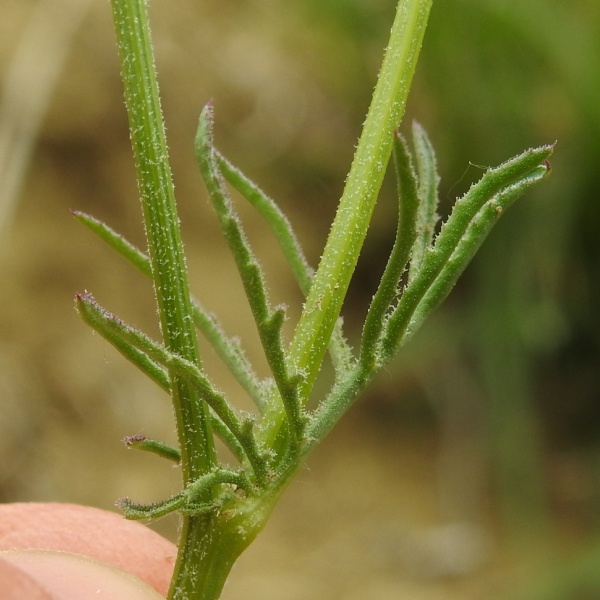
Leaf and stem -

Closeup of leaf -
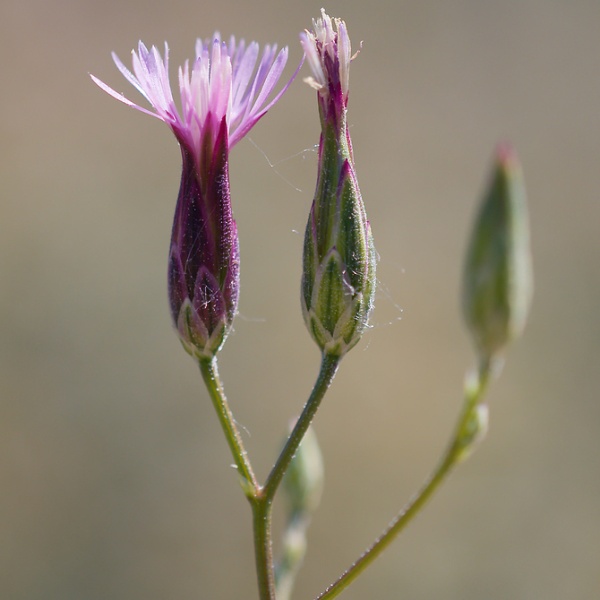
Flower heads -
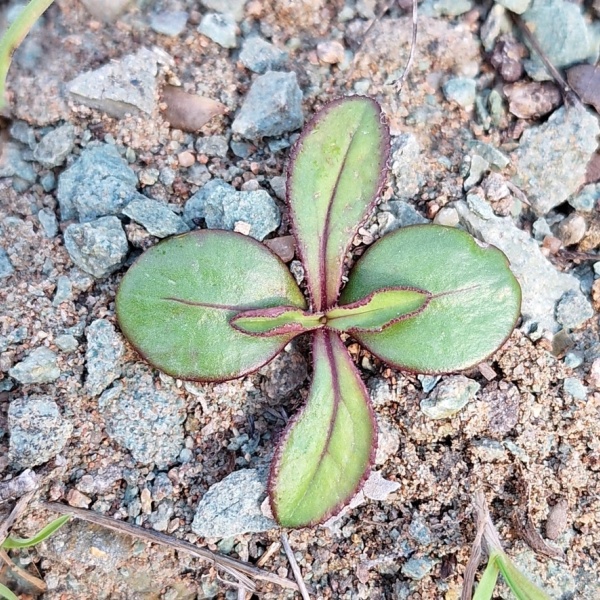
Seedling -
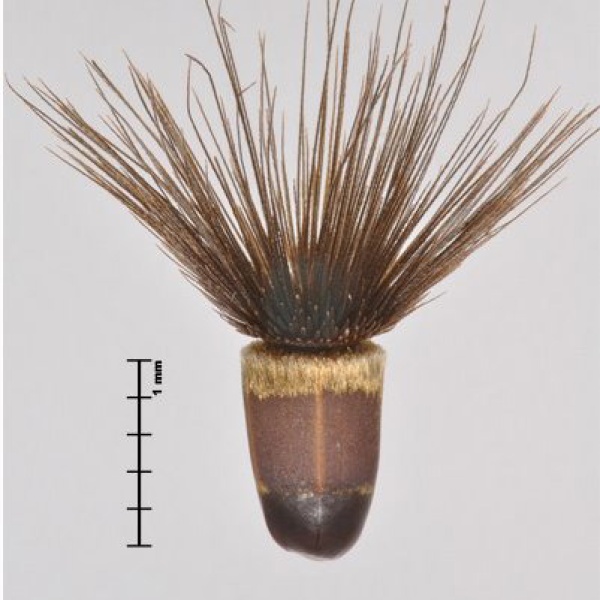
Seed
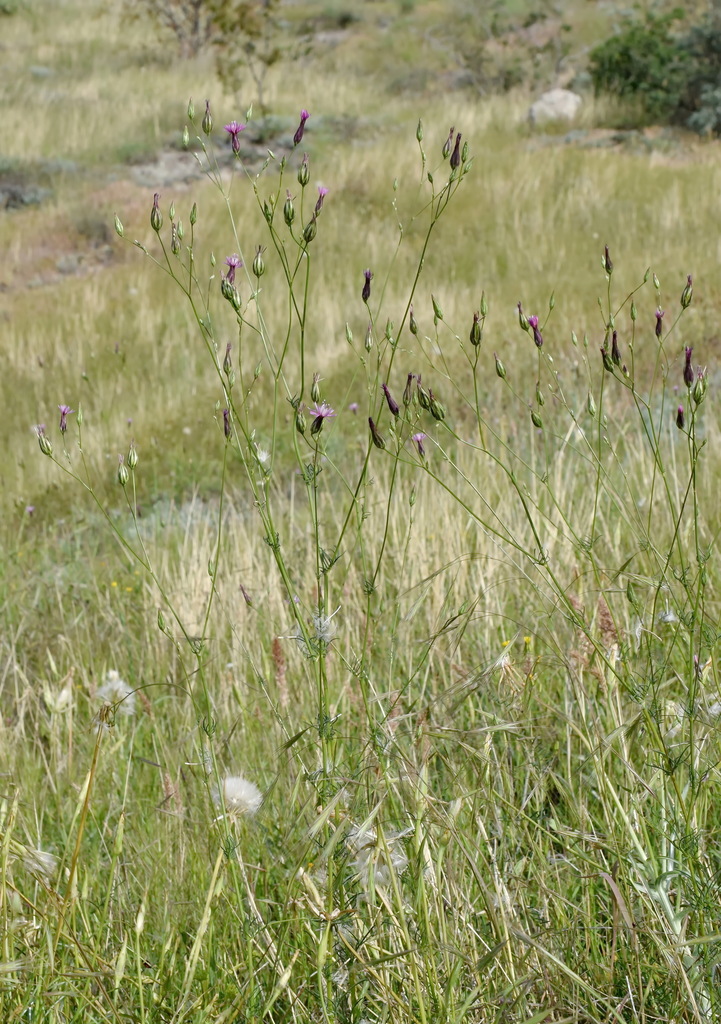
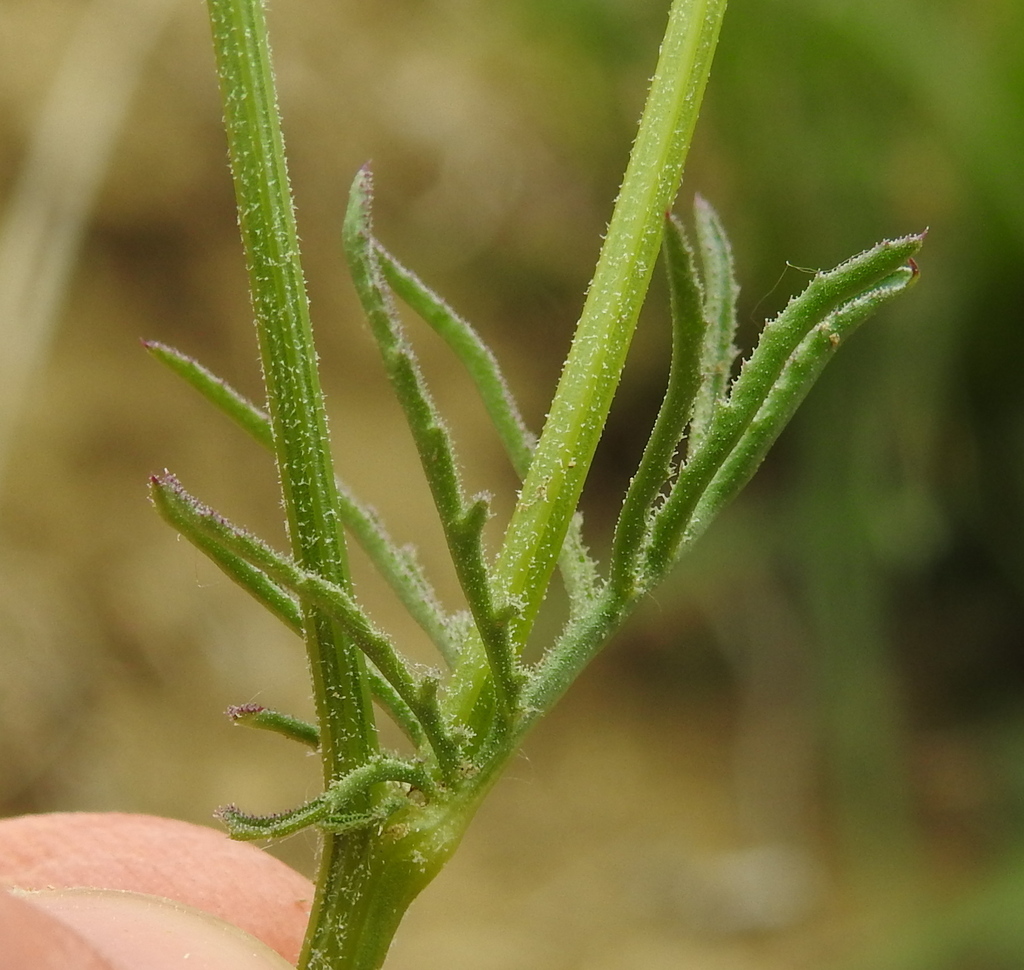
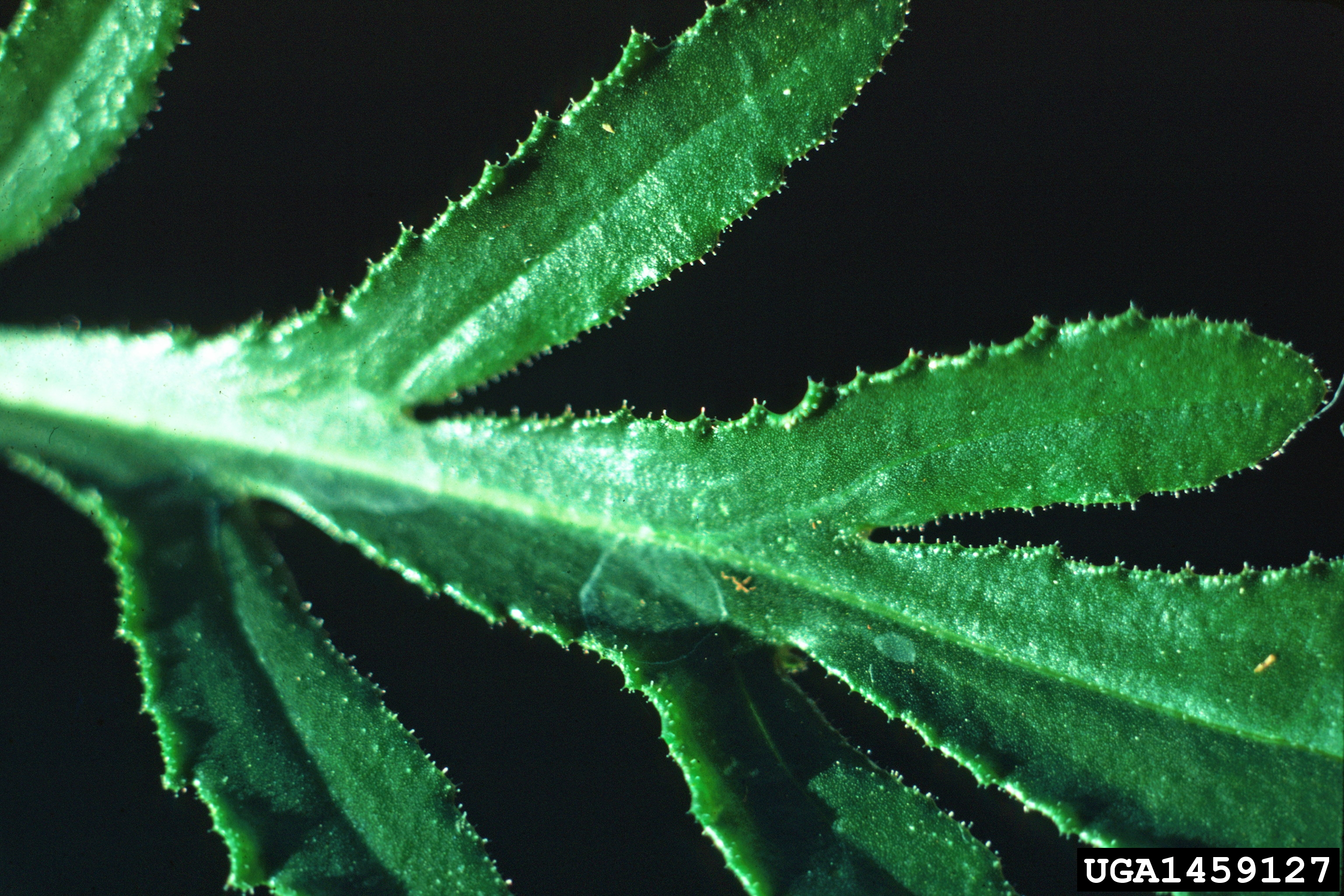
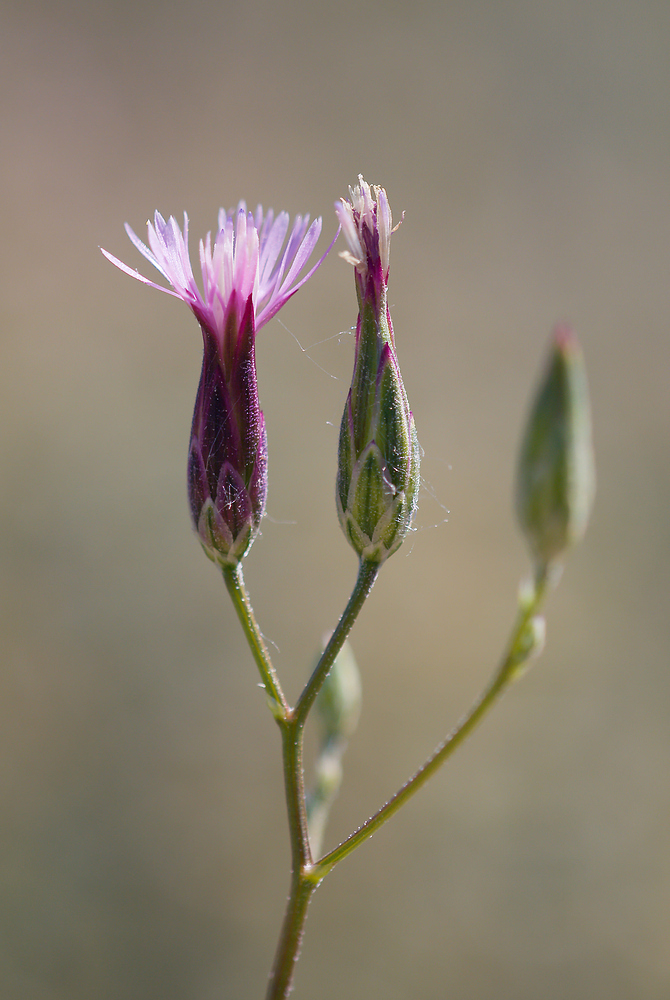
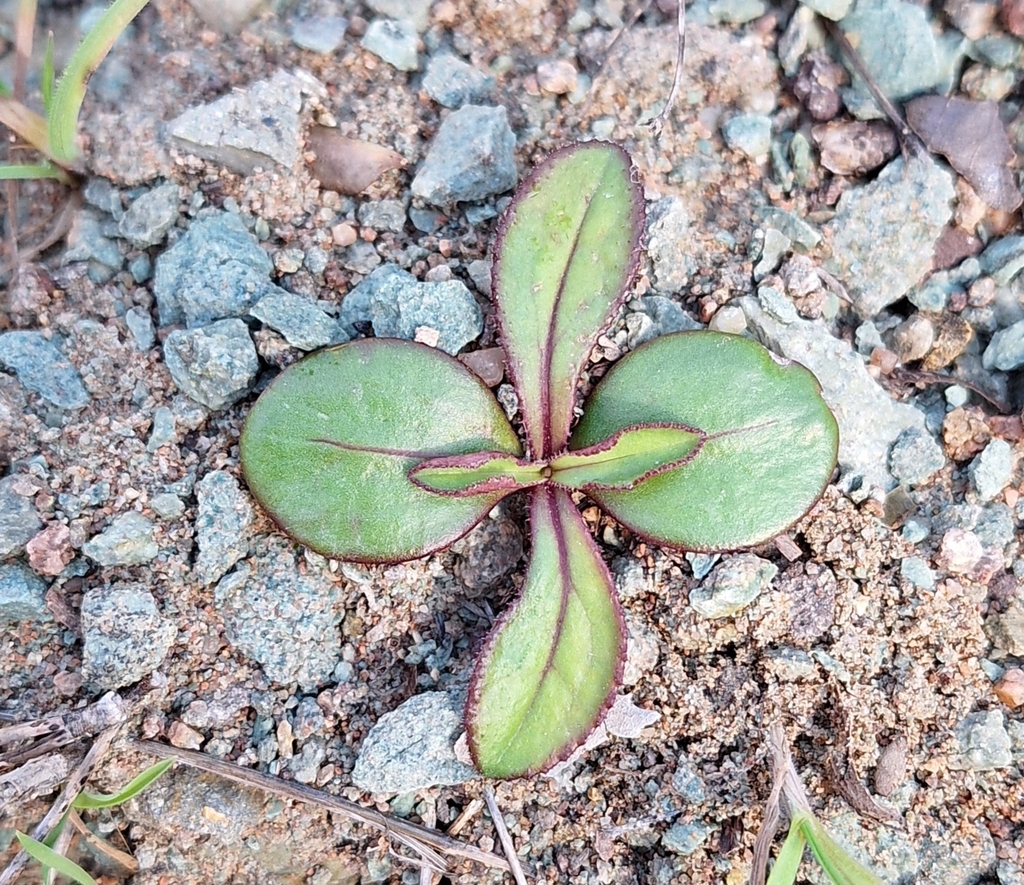
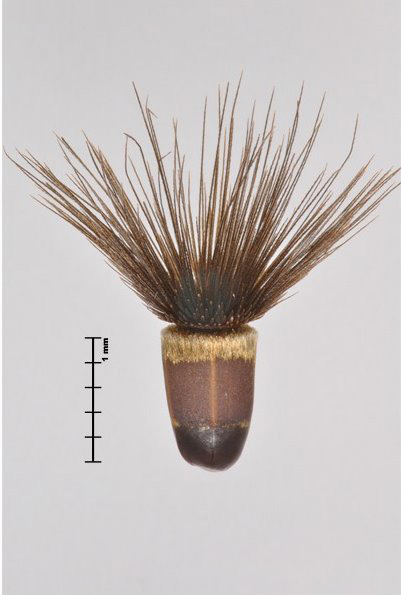
Common crupina is a winter annual plant that germinates and forms a rosette of oblong or egg-shaped basal leaves in the fall and elongates and flowers the following year. The flowering stem can grow up to approximately 1 m tall. Stem leaves decrease in size toward the top of the plant and are increasingly lobed, becoming finely divided into linear segments. They have coarse, rough edges. Flowers have pinkish-purple petals and grow in vase-shaped heads that are about 1.3 cm long. The seed is roughly cylindrical and has a dense tuft of blackish-brown bristles at the top.
How it spreads
Common crupina seeds generally fall only a few metres away from the parent plant. However, seeds can be dispersed by wild and domestic animals, vehicles and machinery, and in contaminated hay and forage products.
What you can do
- Maintain healthy and diverse pastures
- Use clean hay, grain and straw
- Use clean, high-quality seed that is certified if possible
- Ensure machinery, vehicles and tools are free of soil and plant parts before moving them from one area to another
- Leave natural items in their natural habitats
- If you think you've spotted it in Canada, report a common crupina sighting to the Canadian Food Inspection Agency. We will follow up and determine if further action is needed.
What we are doing
Common crupina is regulated as a pest in Canada under the Plant Protection Act. It is also listed as a prohibited noxious weed in the Weed Seeds Order, 2016 under the Seeds Act. Importation and domestic movement of regulated plants and their propagative parts is prohibited.
- RMD-13-04: Consolidated Pest Risk Management Document for pest plants regulated by Canada
- D-12-01: Phytosanitary Requirements to Prevent the Introduction of Plants Regulated as Pests in Canada
More information
- Weed seed: Common crupina
- Invasive plants field guide
- Learn more about invasive species