
On this page
- Foreword and objective
- 1. Definitions
- 2. Background
- 3. Regulatory status in Canada
- 4. Outreach and education
- 5. Reporting and notification of a regulated pest
- 6. Detection and monitoring – surveillance
- 7. Identification
- 8. Spread
- 9. Slowing the spread
- 10. Management strategy
- 11. Research
- 12. References
- Appendix 1 – Decision-making framework for SLF
- Appendix 2 – Pest control products registered for SLF in Canada
- Appendix 3 – Conceptual representation of a proposed, initial regulated area for spotted lanternfly
Foreword and objective
This response framework describes the activities the CFIA may undertake following the detection of spotted lanternfly (SLF) in Canada. It outlines key decision points and the planned corresponding responses, from initial detection through confirmation of an established population, establishment of a regulated area, population expansion and deregulation. The parameters and triggers for transitioning between response stages are also described. This response framework is a dynamic document and may be updated as new information or technologies become available.
The Pest Risk Management Document (RMD) for SLF provides a summary of the risk assessment. It also provides more detailed information on the:
- biology of the pest
- host range
- Canadian areas at risk
- pathways of introduction
- potential economic impacts
It also outlines risk management considerations and elements of the CFIA's response to SLF including the transition from treatment of an initial detection to the establishment of a regulated area.
Building on the RMD, this response framework includes considerations for the size or extent of a regulated area and the parameters that would inform a transition to deregulation.
A framework for CFIA response, including the transition to deregulation, is intended to provide predictability and transparency for stakeholders and partners as they develop complementary approaches to manage SLF for their sectors or jurisdictions. As these approaches evolve, incorporation into this response framework is encouraged.
1. Definitions
For the purposes of this framework, the following definitions are used (from the CFIA's SLF observation table webpage)
- Sighting
- Reports of spotted lanternfly in Canada that the CFIA is aware of, including those made on public reporting sites (for example, iNaturalist Canada, Facebook, etc.). CFIA has followed-up on these and could not confirm the report, as no SLF specimen was found.
- Interception
- Live or dead spotted lanternfly, confirmed by the CFIA through specimen collection but not observed during official CFIA surveys.
- Detection
- Presence of live spotted lanternfly, confirmed in the Canadian environment through official CFIA surveys.
- Established population
- Evidence of a reproducing population in the Canadian environment, confirmed through official CFIA surveys. (Note: while the detection of egg masses in the environment would be evidence of a reproducing population, there may be other factors that need to be considered to determine establishment.)
2. Background
SLF is an invasive sap sucking plant-hopper that causes direct and indirect damage to plants.
SLF was detected in the United States (U.S.) in 2014 and has since spread to infest many U.S. states. SLF is currently on the doorstep of the Canadian border, with detections in Buffalo, New York and Pontiac, Michigan, near grape growing regions of Canada.
SLF spends the majority of its life on trees and woody plants and can feed on over 100 woody and herbaceous plant hosts.
Early observations of SLF host feeding led to concerns that direct impacts may include a broad range of hosts including major impacts to pome and stone fruit and impacts to maples, including maple syrup. There may be negative impacts from SLF feeding on young saplings and impacts to plant health may be observed due to sooty mold growth associated with the byproduct of SLF feeding. However, SLF is not considered a forest pest as major direct impacts have not been observed where SLF has established and are not anticipated in Canada. Significant direct impacts on a broad range of hosts, including pome and stone fruits and maples, have not been observed in the areas of the U.S. where SLF has established. Recent research and observations indicate that the greatest direct impact from SLF will be to the grape and wine industry.
In the U.S., significant impacts on grapes have been observed in areas infested by SLF. The Canadian wine and grape industry contribute $11.5 billion in economic impact to the Canadian economy. The area under grape production in Canada ranged from 12,521 ha to 13,826 between 2019 and 2023, averaging 13,105 ha (Statistical overview of the Canadian fruit industry, 2023). Vineyards are located in southern Ontario, southwestern British Columbia, southern Quebec and Atlantic Canada and directly overlap with the area predicted to be at risk for SLF establishment in Canada.
Based on the impact, the areas of grape production in Canada are at increased risk from SLF and the response framework has been developed with this in mind.
While, at the time of preparing this framework, the CFIA has not detected SLF, multiple sightings and interceptions have been reported (SLF observation table) in Canada.
In developing this framework, the U.S. experience with SLF has been considered where significant spread has continued despite efforts to manage the pest with pest control products and containment measures.
3. Regulatory status in Canada
SLF has been a regulated pest for Canada since 2018. Since that time, import and proactive, domestic requirements have been established. While the nursery and forest sector are not where the greatest direct impacts of SLF are anticipated to be observed, woody plant material, such as nursery stock and deciduous logs with bark, do provide an excellent pathway for the introduction and movement of SLF. Specific requirements have been established for these pathways to slow the introduction and spread of SLF. However, SLF is an excellent hitchhiker and can also be transported on things that are not plants or plant products, including vehicles, rail, conveyances, shipping containers and household goods. As a regulated pest, all things must be free from SLF prior to arriving in Canada and, if established, prior to moving outside a domestic regulated area in Canada.
4. Outreach and education
Together with industry and our federal and provincial partners, the CFIA is working proactively to slow the introduction and to prepare to respond when SLF arrives.
The CFIA has taken the federal lead for SLF and developed a CFIA preparedness plan and convened a national technical advisory committee (TAC) to engage federal and provincial/territorial governments, industry associations and other stakeholders potentially affected by SLF.
Increasing awareness about SLF, leading to increased monitoring, removal and reporting, among stakeholders from various sectors is critical to slowing the introduction and spread. To this end, the CFIA has produced a suite of communication products including web pages, social media campaigns, fact sheet and pest id card. CFIA representatives have also participated in interviews, webinars, distribution of awareness materials and provided presentations to stakeholder groups, including non‑traditional stakeholders such as the transportation sector and importers of large volumes of goods to raise awareness of the risk of SLF, how to report sightings and measures that can be taken to slow the introduction and spread.
In addition, the CFIA has taken the unique step of sharing SLF observations in Canada on its website to facilitate timely communication.
5. Reporting and notification of a regulated pest
All suspect sightings of SLF should be reported to the CFIA immediately: Spotted lanternfly Spot it? Snap it, catch it and report it
A duty to notify is outlined under section 5 of the federal Plant Protection Act. When a person becomes aware of the existence of a plant pest in an area where the pest has not been previously known to exist, they must immediately notify the CFIA so an official sample can be obtained to inform regulatory decisions.
Under the International Plant Protection Convention (1997), Canada is required to report the occurrence, outbreak and spread of quarantine pests (International Plant Protection Convention 2002). The CFIA has the responsibility to carry out pest surveys and to verify all pest records. Pest reports containing information on the identity of the pest, location, pest status and nature of the immediate or potential danger, including changes to pest status must be communicated to other countries. For SLF, the confirmation of an established population and the implementation of domestic measures as outlined in the directive would prompt international reporting.
6. Detection and monitoring – surveillance
The CFIA surveillance program for SLF is multifaceted and includes visual surveillance, trapping efforts, public awareness campaigns, knowledge transfer with collaborators and outreach to enhance detection and reporting. The CFIA conducts extensive SLF survey activities across Canada from spring through the winter to support detection of all life stages. This includes inspecting numerous sites for SLF and responding promptly to suspect reports.
The CFIA collaborates with the Canadian Border Services Agency (CBSA) at the border to detect SLF on conveyances and import shipments before entry into Canada. Importation pathways from states with known SLF infestations, main transportation corridors and distribution of host plants in the environment are part of the risk intelligence information that is used to orient detection and monitoring efforts.
CFIA promotes collaborative surveillance planning and reporting by supporting integrated data capture in Survey123. Furthermore, the CFIA's SLF surveillance protocol is enhanced and shared with partners on an annual basis to promote consistent and complementary surveillance efforts in Canada. The CFIA publishes an annual survey report summarizing our national surveillance efforts for pests such as SLF.
7. Identification
SLF egg masses, adults and nymphs are readily distinguishable by the CFIA from other insects. Clear (time and geolocation stamped, where possible), photos may be sufficient to prompt initial analysis of the incursion. Specimens collected by the CFIA are always sent to the CFIA diagnostic lab for official confirmation.
8. Spread
In the U.S., SLF has been spreading steadily since it was first detected in eastern Pennsylvania in 2014 (Lee et al. 2019). Since that time, SLF has continued to spread and, as of spring 2025, has established in 19 states. The insect has never been successfully eradicated from any established US population.
The available evidence shows that SLF spread occurs both through natural, diffusive spread (short-distance continuous colonization of adjacent areas) and jump dispersal (long-distance movement generally resulting from human activities) (Belouard et al. 2025).
8.1 Natural, diffusive spread
Natural spread of SLF is very slow due to the low dispersal ability of adults and nymphs (typically adults move no further than 50 m on their own although transport by wind has resulted in an extreme movement of 200m). Some sources indicate that SLF may naturally disperse further under certain conditions, such as strong wind events or when insect population has exceeded the carrying capacity of their current location.
Keller et al. (2026) modelled the rate of spread of satellite populations of SLF. They found that in their first year of spread, isolated satellite populations typically spread short distances, with median boundary displacements ranging from 0 km to 10.6 km. Most satellite populations had median boundary displacement under 1.5 km in the first year after discovery.
Despite the relatively slow rate of natural spread, the availability of host plants will facilitate its spread and currently there are no known natural enemies in Canada that will impede its movement. Therefore, should SLF arrive in Canada, it is likely that it will slowly spread naturally and diffusively around any establishment epicenter(s).
8.2 Human-mediated spread – jump dispersal
The most likely route of spread outside of a localized area remains human-mediated spread of egg masses and hitchhikers, which can be considered as a jump dispersal mechanism. Jump dispersal can result in the establishment of satellite populations which may become starting points for satellite invasions.
Jump dispersal modelling of the North American spread of SLF by Belouard et al. (2025) and Cook et al. (2021) reached similar conclusions where jump dispersal resulted in faster spread than diffusive spread. Modelling by Belouard et al (2025) found that more than half of the dispersal jumps started satellite invasions the year after their detection. The probability of any successful jump dispersal event is influenced by the number of jump dispersal attempts from a location and by the number of individuals that make each jump. As the population in a satellite site increases, there are more individuals available to jump, which increases the probability that a jump event will result in a successful population establishment (Simberloff 2009). The population dynamics and rate of population increase in a satellite invasion site may therefore influence the probability of the invader making another successful jump dispersal event.
Modelling by Belouard et al. (2025) indicates that the average jump distance did not change over time, with 89% of jumps shorter than 200 km and just three jumps farther than 300 km. The overall spread rate was 41 ± 24 SD km/year but reduced to 25 ± 11 SD km/year when considering diffusive spread only.
Cook et al (2021) found that on average, the number of newly invaded counties per year increased since initial discovery, with 0-14 long-distance dispersal events per year and median jump distances ranging from 55 to 92 km/year throughout the study period. Radial rates of spread, based on two of the three analysis methods applied, varied from 38.6 to 46.2 km/year.
9. Slowing the spread
Research indicates that human-mediated activities pose the greatest risk for jump dispersal of SLF and that efforts to target human-mediated movement of SLF could reduce the overall rate of spread of SLF.
Preventing or minimizing human-mediated spread can slow the effective rate of spread of SLF in an area and minimize the potential for even more dispersal jumps away from newly established locations outside of a contiguous SLF area. Modelling by Keller et al. (2026) and Cook et al (2021) concluded that the rate of spread of SLF as a species could be slowed when newly established satellite populations are targeted with management before their spread rates accelerate to the rapid rates observed around primary epicenters invasions. Belouard et al. (2025) concluded that management efforts targeting jump dispersal should focus on a 200-km buffer around the invasion boundary which is where 89% of jumps occur.
It must be noted, however, that significant spread has continued to occur in the U.S. despite management efforts. Due to the proximity of SLF to Canada, the volume of trade and traffic from areas infested with this pest and the numerous potential pathways through which egg masses and hitchhiking adults and nymphs are able to spread, it would not be feasible to impose specific requirements on all pathways and products from infested areas in either the U.S. or within Canada after SLF is established here. Regulatory action by the CFIA will focus on delaying introduction and slowing the spread to minimize the impact to Canadian stakeholders for the greatest period of time while accepting the inevitability of introduction and establishment of SLF and the limitations of regulatory control.
10. Management strategy
10.1 Analysis of the incursion
Following the detection of SLF in Canada, an analysis of the incursion will be conducted.
Key factors to be considered include:
- infested area characteristics (location, distribution pattern and number of infested articles, proximity to and traffic volume of transportation corridors)
- environment around the infested area (host tree prevalence, forest cover versus urban area)
- number of risk generators (stakeholders that handle regulated articles) including: woodlot owners, forest industries, arborists, firewood vendors, wholesale and retail nurseries, members of the public, etc.)
- magnitude and complexity of movement of regulated articles out of the infested area
- level of risk based on seasonal timing of detection
- life stages observed and population size
The analysis of the incursion will inform the management strategy.
10.2 Triggers for response
Key indicators from the incursion analysis that would trigger response Footnote 1
| Key indicator | Management Strategy | Response |
|---|---|---|
| SLF detected in the Canadian environment | Active control/eradication | Treatment ordered |
| Established population confirmed | Containment with regulated area | Domestic requirements implemented |
| Population expansion | Expansion of regulated area | Broader application of domestic requirements |
| Containment ineffective | Deregulation | Removal of import and domestic requirements |
The individual response actions triggered by the key indicators are explained further in the sections below and a visual representation can be found in appendix 1.
10.3 Eradication: Active control to slow establishment
Primary goal: the aim is to eliminate the pest in a specific area.
When SLF is detected in Canada (live SLF in the environment with no evidence of a reproducing population), the CFIA will consider the implementation of localized regulatory control measures to reduce the immediate risk of spread to the local environment and mitigate the risk of establishment of the pest.
Control measures may include:
- prohibiting the movement of potentially infested articles out of an area where the pest has been detected
- placing a quarantine on imported articles on which the pest has been detected.
- ordering treatment in the form of physical removal and destruction of the pest or application of registered chemical pest control products (appendix 2) may be ordered to render the pest non-viable (depending on the approved treatment options available at the time of the detection)
The treatment method will be situationally dependent. The party in care and control of an infested article or area would be responsible for arranging any treatments ordered and associated costs.
The approach previously described to eradicate localized incursions would be taken during the early detection phase in an effort to slow the establishment of SLF in Canada, where control efforts on localized incursions are considered feasible and effective. These determinations may require consultation with relevant provincial authorities.
To address the risk of SLF moving out of the detection area, a Notice of Prohibition of Movement (POM) may be issued for individual properties or portions of properties where SLF has been detected. Regulated articles would be defined on the POM and movement of these articles out of the area defined on this notice would be prohibited without appropriate risk mitigation measures and written authorization of a CFIA Inspector. Mitigation measures would always include visual confirmation that SLF is not found on an article being moved but may also include treatment or other measures. Additional guidance for these measures would be provided by the CFIA.
The use of a POM would be recommended for the short-term regulatory control of an area, at the property level, to reduce the immediate risk of spread and allow pest mitigation measures to be applied while allowing time for surveillance activities to occur where data can be gathered on pest distribution.
Any regulatory control measures implemented at this stage are intended to be short term and would be removed once the localized incursion is deemed to have been rendered non-viable or eradication is successful or amended if the pest status changes from detected to established.
Active control should be the preferred approach when the analysis of the incursion shows that preventing the establishment of SLF is feasible based on the factors outlined in section 10.1 (analysis of incursion)
10.4 Containment with domestic regulated area to slow the spread
Primary goal: slowing the spread of the pest, limiting its geographical distribution and minimizing its movement and impact outside of a regulated area
For SLF, slowing the spread should be the preferred approach when the analysis of the incursion demonstrates that eradication, that is preventing establishment, is not feasible or evidence of an established population is confirmed and containment with a regulated area is considered feasible. This determination should include a consideration of the factors listed in section 10.1 and should also consider whether there is additional benefit to other areas at risk by attempting to prevent jump dispersal events from the established infestation(s).
The CFIA will not undertake pest eradication of established populations of SLF but will establish regulated areas to slow the spread, where feasible.
When SLF is determined to have established in Canada (with confirmation of a reproducing population), CFIA regulatory efforts would move towards slowing the spread of the pest and protecting non-infested areas of Canada. This would be accomplished through the establishment of regulated areas and implementation of domestic movement requirements outlined in D-24-01 to facilitate the movement of high-risk articles out of these areas while mitigating the risk of spread of SLF. During this stage of the response, the CFIA would no longer order treatment to support eradication in areas where the pest is considered established. While the detection of egg masses in the environment would be evidence of a reproducing population, there may be other factors that need to be considered to determine establishment.
In this management strategy, regulatory controls are implemented to slow the human-assisted spread of SLF and protect non-infested areas by controlling the movement of regulated articles. Once SLF is established in Canada, human-mediated activity will increase the risk of spread to new areas. In the case of SLF, because of the pest's biology and behaviour, pest establishment in one area can easily result in jump dispersal to a more distant location. A greater number of dispersal jumps can lead to a greater number of satellite locations which can result in faster spread of SLF.
Different regulatory measures are adopted by the CFIA to prevent and control the spread of plant pests within Canada. A series of regulatory tools can be used to manage the movement of regulated articles and slow the spread of SLF in Canada:
-
as for a detection of SLF, in the immediate stages following establishment, a Notice of Prohibition of Movement (POM) could be issued for individual properties where SLF has been detected
As an infested area increases in size and the pest becomes more widely established, issuance of POMs at the property level becomes less effective. This is due to the numerous pathways by which the pest can travel beyond an individual property and the resources needed for CFIA to issue and manage those individual notices. However, this tool would be the most effective short-term domestic management option to provide movement controls for SLF within Canada while other long-term regulatory tools are being implemented.
- once a pest is considered established and the pest distribution is known, a Ministerial Order (MO) may be recommended to the Minister of Agriculture and Agri-Food to declare an area infested for SLF to manage the movement of regulated articles and slow the spread of the pest through human-mediated pathways
-
as an alternative to a Ministerial Order, domestic movement prohibitions or restrictions may be listed in the document Movement prohibitions and restrictions in Canada under the Plant Protection Act
The regulated commodities and requirements that must be met before movement is allowed can be outlined in this document. The affected areas can be outlined in this document or defined in the directive.
These last two options are geared toward longer-term domestic management of SLF within Canada and are anticipated to be recommended for SLF due to the potential impacts of this pest, the likelihood of establishment in Canada once the pest is introduced and the need to act quickly to control the human-assisted movement of the pest.
As opposed to regulating by POM, regulation through an MO or listing in the Movement prohibitions and restrictions in Canada under the Plant Protection Act would permit regulated articles to move within a larger regulated area without restriction, while prohibiting their movement out of the regulated area unless the requirements outlined in D-24-01 are met. The CFIA would also no longer need to be notified of observations of SLF within a regulated area as SLF would be expected to occur in this area for the foreseeable future. Pest control products registered for SLF could be applied according to label instructions, without being ordered by the CFIA, within a regulated area.
10.5 Considerations for size of regulated area
The size of a regulated area for SLF will depend on the extent of the infestation in Canada.
Once SLF is established in Canada, the sub-provincial/territorial administrative district (for example township/county/census division), in which SLF is determined to be established and any contiguous districts are proposed to be regulated to delay natural spread of SLF. Using the county structure as an example, the regulated area is proposed to comprise the county with an established population (the "infested zone") and adjacent, contiguous, counties (the "buffer zone"). See appendix 3 for a visual representation of this using the county structure as an example.
As additional populations of SLF are confirmed, new counties of establishment and additional adjacent counties will be regulated. Established populations found outside of a buffer zone are proposed to result in a new infested zone and buffer zone being established. Depending on the geographic location of established populations, a single, larger, regulated area may be established or multiple regulated areas may be established where there may be overlap in the buffer zone around infested zones.
Trade facilitation and protection of areas where introduction of SLF is anticipated to have the greatest impact (for example grape production) will need to be balanced with efforts to slow the spread and will be considered when establishing a regulated area. These considerations may alter the size of a regulated area from that described previously.
Modelling by Cook et al (2021), Keller et al (2026) and Bedouard et al (2025) provide a range of jump dispersal distances with a consensus that most North American dispersal jumps were under 200 km. With this in mind, a "surveillance zone" is proposed to extend 200 km from the infested zone. Any area adjacent to major transportation routes within a 200 km radius of the SLF establishment should be considered to be at risk and additional communication and surveillance efforts should be considered for prioritization in those areas by the CFIA.
When a province has multiple regulated areas and when these regulated areas are in proximity or when a significant portion of the grape production area within a province is regulated, the regulated area is proposed to expand to include the entire province. In this scenario, SLF requirements would need to be met to move outside a regulated province while allowing material to move without restriction within the province.
Regulatory boundaries must be well communicated to promote compliance to established regulations.
10.6 Federal deregulation
As SLF spreads within Canada and into a greater percentage of the grape production areas of Canada, the effectiveness and ongoing benefit of regulation will need to be considered with respect to the resources required, by the CFIA and stakeholders, to implement and administer domestic slow the spread programs. If eradication is not feasible or has proven unsuccessful, SLF will be considered an established pest in Canada for the foreseeable future.
To determine the ongoing efficacy of containment through federal regulatory measures, the following will be assessed:
- has domestic spread continued to occur, through human-mediated pathways, despite regulatory requirements
- is establishment considered widespread – this will include a review of the area of grape production considered infested
- are there additional benefits to slowing the spread by attempting to prevent jump dispersal events (human mediated spread) for example there are no areas of grape production left that are less than 200 km away from the closest established SLF population
- are regulatory measures still technically justified
- do regulatory costs outweigh the cost of resources being protected
If containment measures are no longer considered effective the CFIA will propose that the pest be deregulated, meaning it would no longer be under official CFIA control.
There may be provincial, municipal or industry programs and requirements established to manage this pest within urban, environmental or agricultural settings.
10.7 Evaluation of the management strategy
Considering information from section 10.1 (the analysis of incursion), parameters outlined in 10.6, financial and human resources available, operational capacity and opportunities for collaboration to support and execute the management strategy, recommendations will be made to CFIA's senior officials.
The approach should be reviewed on an annual basis and adjustments will be made based on the best available information.
11. Research
Canadian research strives to address knowledge gaps relevant to protecting agriculture and forestry sectors in Canada. A study by the Canadian Forest Service is underway on the cold tolerance of North American populations of SLF (Turbelin et al., 2025). The initial findings indicate that North American SLF were able to successfully hatch after short- and long-term exposure to temperatures below −20 °C, well below previously published thermal limits for the species. This suggests that SLF will be able to survive in colder climates than initially thought and this may have implications for the predicted spread of this species in Canada.
Other research projects may be designed to
- advance survey and monitoring methodologies
- diagnostic techniques
- control tactics
- management strategies
Further predictive modelling work could be conducted to identify areas at greatest risk for example by overlaying predictive models based on past dispersal jumps with transportation networks and host species availability, Canada may be able to better direct surveillance and detection efforts.
12. References
- Canadian Food Inspection Agency. (2021). Pest risk assessment: Lycorma delicatula (2021-001).
- Canadian Food Inspection Agency. (2024). RMD-22-03 Pest risk management decision document: Risk management for spotted lanternfly (Lycorma delicatula White)
- Canadian Food Inspection Agency. (2025). D-24-01: Spotted lanternfly (Lycorma delicatula): Domestic and import phytosanitary requirements.
- Belouard, N., De Bona, S., Helmus, M. R., Smith, I. G. and Behm, J. E. (2025). A method to quantify jump dispersal of invasive species from occurrence data: The case of the spotted lanternfly, Lycorma delicatula. NeoBiota, 98, 319-334. https://neobiota.pensoft.net/article/147310/
- Cook, R. T., Ward, S. F., Liebhold, A. M. and Fei, S. (2021). Spatial dynamics of spotted lanternfly, Lycorma delicatula, invasion of the Northeastern United States. NeoBiota, 70, 23-42. https://neobiota.pensoft.net/article/67950/
- Elsensohn, J. E., Nixon, L. J., Urban, J., Jones, S. K. and Leskey, T. C. (2023). Survival and development of Lycorma delicatula (Hemiptera: Fulgoridae) on common secondary host plants differ by life stage under controlled conditions. Frontiers in Insect Science, 3, Article 1134070. https://www.frontiersin.org/journals/insect-science/articles/10.3389/finsc.2023.1134070/full
- Keller, J. A., De Bona, S. and Helmus, M. R. (2026). Leveraging spatial scale and temporal variation to optimize estimates of invasive spread rates. NeoBiota, 106, 287-307.
- Simberloff, D. (2009). The role of propagule pressure in biological invasions. Annual Review of Ecology, Evolution and Systematics 40: 81-102.
- Turbelin, A. J., Sinclair, B. J., Rost, J. and Roe, A. D. (2025). Cold tolerance strategy and lower temperature thresholds of Lycorma delicatula egg masses. Environmental Entomology, 54(4), 890-898. https://academic.oup.com/ee/article/54/4/890/8171303
- Uyi, O., Keller, J. A., Johnson, A., Long, D., Walsh, B. and Hoover, K. (2020). Spotted lanternfly (Hemiptera: Fulgoridae) can complete development and reproduce without access to the preferred host, Ailanthus altissima. Environmental Entomology, 49(5), 1185-1190. https://academic.oup.com/ee/article/49/5/1185/5877751
Appendix 1 – Decision-making framework for SLF
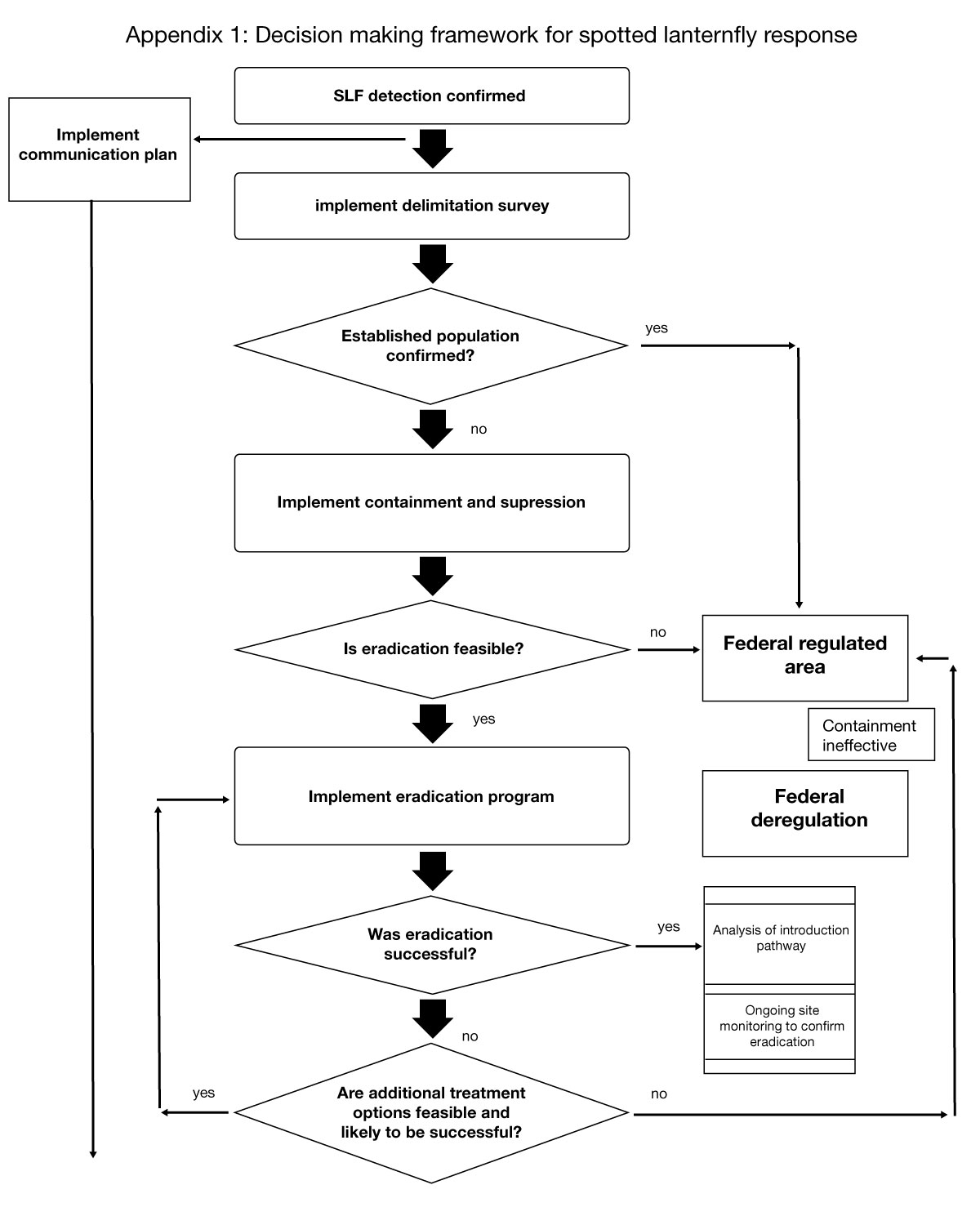
Figure 1: Decision-making framework – Text version
This flowchart provides an overview of how we may respond to a SLF detection in Canada.
It identifies:
- key decision points
- the information that informs those decisions
- the possible transition to activities such as:
- establishing a regulated area
- implementing domestic programs
- deregulating the pest
This flowchart illustrates the CFIA's potential decision-making process following the detection of SLF in Canada.
The process begins when an SLF detection is confirmed. A communication plan is implemented and a delimitation survey is conducted to determine the extent of the infestation.
The first decision point asks whether an established population has been confirmed.
- If yes, the process moves directly to consideration of a federal regulated area
- If no, containment and suppression measures are implemented
The next decision point asks whether eradication is feasible.
- If no, a federal regulated area may be established
- If yes, an eradication program is implemented
Following eradication efforts, the next decision point asks whether eradication was successful.
- If yes, activities include analysis of the introduction pathway and ongoing site monitoring to confirm eradication
- If no, the next decision point evaluates whether additional treatment options are feasible and likely to succeed
If additional treatment options are feasible and likely to succeed, the process returns to the eradication program. If they are not feasible or unlikely to succeed, the process may transition to a federal regulated area.
The diagram also shows that if containment measures become ineffective within a federal regulated area, federal deregulation may be considered.
Overall, the framework identifies the key actions, decision points and information used to determine whether the response should focus on eradication, establishment of a regulated area, ongoing management measures or deregulation of SLF.
Appendix 2 – Pest control products registered for SLF in Canada
The response and treatment working group, established under the SLF TAC, assessed pest control products for registration to control SLF in advance of arrival. This group includes representatives from
- Pesticides Regulatory Directorate (PRD) (formerly the Pest Management Regulatory Agency)
- Grape Growers Ontario, Canadian Nursery and Landscape Association (CNLA)
- Ontario Ministry of Agriculture Food and Agribusiness (OMAFA)
- British Columbia Ministry of Agriculture and Food (BCMAF)
- Ministère de l'Agriculture, des Pêcheries et de l'Alimentation du Québec (MAPAQ)
- Ontario Ministry of Natural Resources (OMNR)
- Ontario Ministry of Environment
- Conservation and Parks (OMECP)
- Invasives Canada (formerly Canadian Council on Invasive Species)
The group reviewed the list of U.S. registered products, availability of Canadian products and industry need.
The work of the response and treatment working group has lead to the following products being registered in Canada for SLF Pesticide Label Search
- Kopa Insecticidal Soap is registered for suppression of SLF nymphs in tree fruit, grapes, ornamental and shade trees and outdoor flowering, foliage and bedding plants.
- Altus Insecticide (flupyradifurone) is registered for suppression of SLF (nymphs, adults) on outdoor nursery and landscape ornamental plants, including flowers, foliage plants, shrubs, trees and groundcovers.
- Sivanto Prime (flupyradifurone) is registered for suppression of SLF (nymphs, adults) on pome fruits, stone fruits and grapes.
- Danitol (fenpropathrin) is registered for control of SLF (nymphs, adults) on pome and stone fruits.
- Starkle 20 SG (dinotefuran) has emergency use registration (June 2, 2025 – June 2, 2028) as a basal bark spray for control of SLF on ornamental and outdoor landscape trees and large shrubs, forests, woodlands and other treed areas. The target life stages are nymphs and adults.
Additional pest control products continue to be assessed. In 2024, research trials conducted in Virginia, supported by OMAFA and the Ontario Grape and Wine research incorporated, assessed the efficacy of several pest control products registered for grapes in the US. These trials may lead to the registration of additional pest control products for use on grapes.
Appendix 3 – Conceptual representation of a proposed, initial regulated area for spotted lanternfly
Visual representation of the proposed, initial, regulated area for SLF following the confirmation of an established population. The diagram uses the county structure as an example. Counties represented in the diagram are fictional and only used for illustrative purposes.
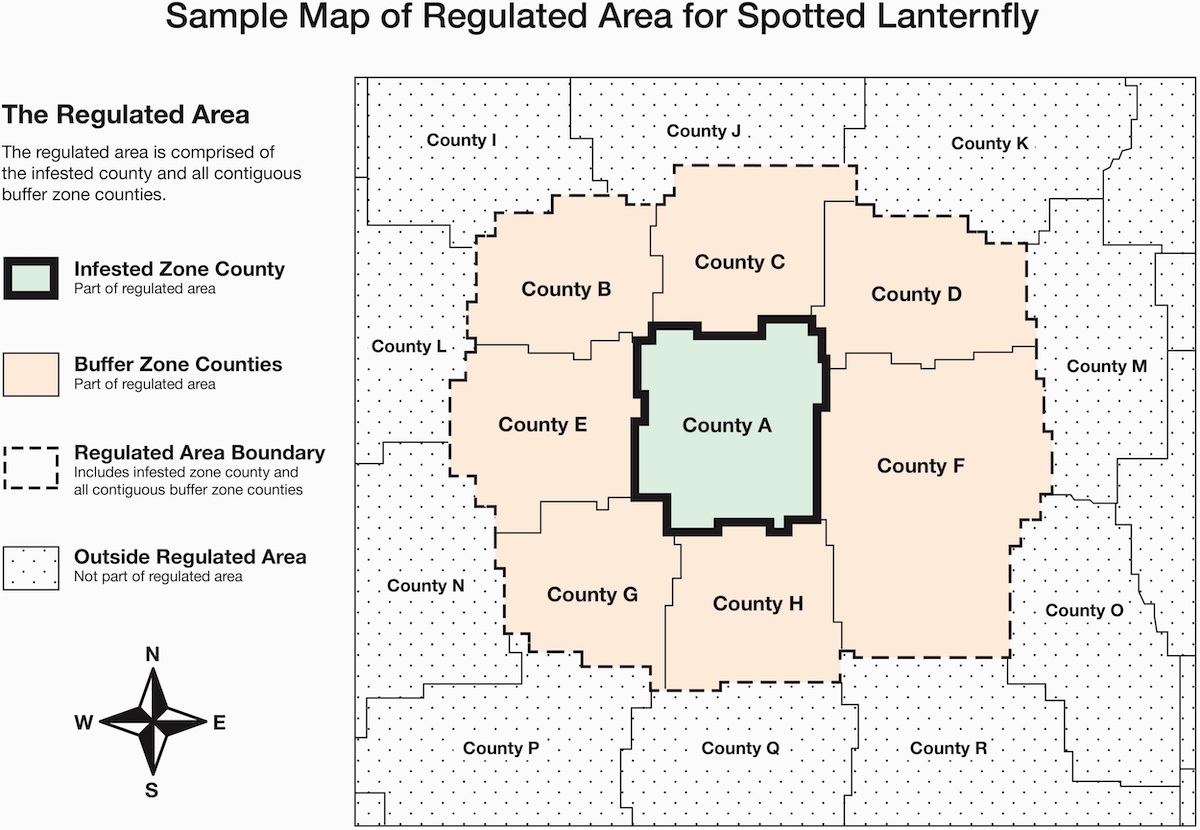
Figure 2: Visual representation of a proposed initial regulated area for SLF – Text version
Visual representation of a proposed initial regulated area for SLF
This figure illustrates a proposed initial regulated area that could be established following confirmation of an established SLF population. The map uses a fictional county structure for illustrative purposes only and does not represent actual geographic boundaries.
The map is centered on County A, which is identified as the infested zone county. County A represents the county in which an established SLF population has been confirmed.
Surrounding County A are seven directly adjacent counties: Counties B, C, D, E, F, G and H. These counties represent buffer zone counties. Together, the infested zone county and all contiguous buffer zone counties form the proposed regulated area.
A thick dark boundary encircles County A and all surrounding buffer zone counties, defining the regulated area boundary. The regulated area therefore consists of the infested zone county plus all neighbouring counties that share a boundary with it.
Outside the regulated area boundary are additional counties: Counties I, J, K, L, M, N, O, P, Q and R. These counties are identified as being outside the regulated area and are not included within the proposed regulatory boundary.
A legend located on the left side of the figure explains the zones:
- it indicates the infested zone county and is part of the regulated area
- it indicates buffer zone counties that are also part of the regulated area
- it indicates areas outside the regulated area
- a thick outline represents the regulated area boundary, which includes the infested zone county and all contiguous buffer zone counties