
Designated WOAH reference expert
Dr. Kingsley Amoako,
Director, National Centre for Animal Disease
kingsley.amoako@inspection.gc.ca
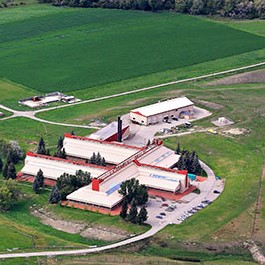
The National Centre for Animal Disease (NCAD) in Lethbridge was designated as a World Organisation for Animal Health (WOAH) Reference Laboratory for anthrax, a naturally occurring disease caused by a spore-forming bacterium called Bacillus anthracis in 2006.
Mandate
To advance science and research on the diagnosis, surveillance and control of Anthrax and to provide scientific advice, assistance and technical training to WOAH member countries.
Latest updates
- The latest WOAH Annual Reports are available online (once on the page, scroll to Anthrax)
- The Anthrax Reference Laboratory recently completed a project to build lab capacity for the Ghana Veterinary Services, with funding from Global Affairs Canada
Activities and services
- Regulatory research
- Providing expert advice and technical training to WOAH member countries on anthrax
Current research interests
- Diagnostic testing for anthrax
- Developing new diagnostic tools for anthrax
- Genomic characterization of Bacillus anthracis isolates
Twinning and capacity-building projects
The WOAH Anthrax Reference Lab at NCAD Lethbridge is leading a laboratory twinning project for anthrax threat detection and capacity building with Nigeria's National Veterinary Research Institute (NVRI). This work includes:
- gap analyses
- the development of standard operating procedures for quality assurance, biosecurity and genomics
- hands-on training for Nigerian staff at the Lethbridge laboratory
- a proposed on-site implementation of the work at the NVRI lab in Nigeria
The project will address biosecurity concerns regarding anthrax as a potential bioterrorism agent, particularly given the presence of terrorist groups in the West Africa subregion, while enhancing Nigeria's capacity to respond to natural anthrax outbreaks in livestock using molecular methods and genomics.
More information
- Anthrax [woah.org]
- CFIA reference laboratories and collaborating centres
- Reference Laboratories [woah.org]
- Twinning is winning: collaborating for the global management of animal diseases
- How Canada paved the road for COVID-19 testing in Ghana